
the twelve spiritual instincts, as I am finding them
(or perhaps: the twelve months of the year|the twelve labors of Heracles|the twelve hours of Duat|the twelve constellations)
-

LIGHT >
Our Light side is simply the mysterious energy of Consciousness (our Mind).
Think about the act of crystallization: how even the most pure water will evaporate and leave trace amounts of minerals (like salt) behind. Think about the removal of extraneous material and revealing the basic structure of something.
Similar to the instinct of Seeking, where there is a definitive thing to be found, finding our “light” (or, more crudely, “soul”) is the act of stripping away all the social, cultural, political, material, economic noise of being a human and discovering the divine root within yourself.
-

< MATTER
Our Shadow side is simply our materiality, or (much more simply) our Body.
Our emotions, our instincts, our drives and behaviors, almost all of which were necessary for our survival to this point in time. Your shadow side is simply the wild-animal part of yourself; the survival, the physical desire, the decision-making and risk-taking; it is your own reflection. You can either learn to see your Shadow as an asset, or perhaps a resource, or you will forever be driven by its whims and wants.
The Shadow is where your own behavioral cycles can directly be learned and thus evolved. Think of its chaos being neither good nor evil; it is just its nature to be chaotic. Too, your Body is your true life’s partner, the true soul’s mate.
-

SEEKER >
The instinct to search for the specific.
Our instinct to search comes in contrast to our instinct to collect; that is, to seek is to search, actively, for something, someone, somewhere. To seek is to intentionally reach for, to ultimately have a singular goal, or a firm ending point. There is somewhere to be, or someone to find, or something to hold or learn.
Think of the way humans sink wells to find water or the way we mine the earth for resources. Think of the way the way we search for our own identities in our interpersonal relationships.
Anthropologically, humans have reassigned the instinct of seeking to the Hunter archetype, which has further been culturally reassigned as an exclusively masculine virtue. This has taught women helplessness, allowing us only to be seen (and thus only see ourselves) as collectors: capable only of accepting spiritual truth, but never of finding it.
But the divine is already within you; it can never be given to you by another. Do your own seeking.
-
< NAVIGATOR
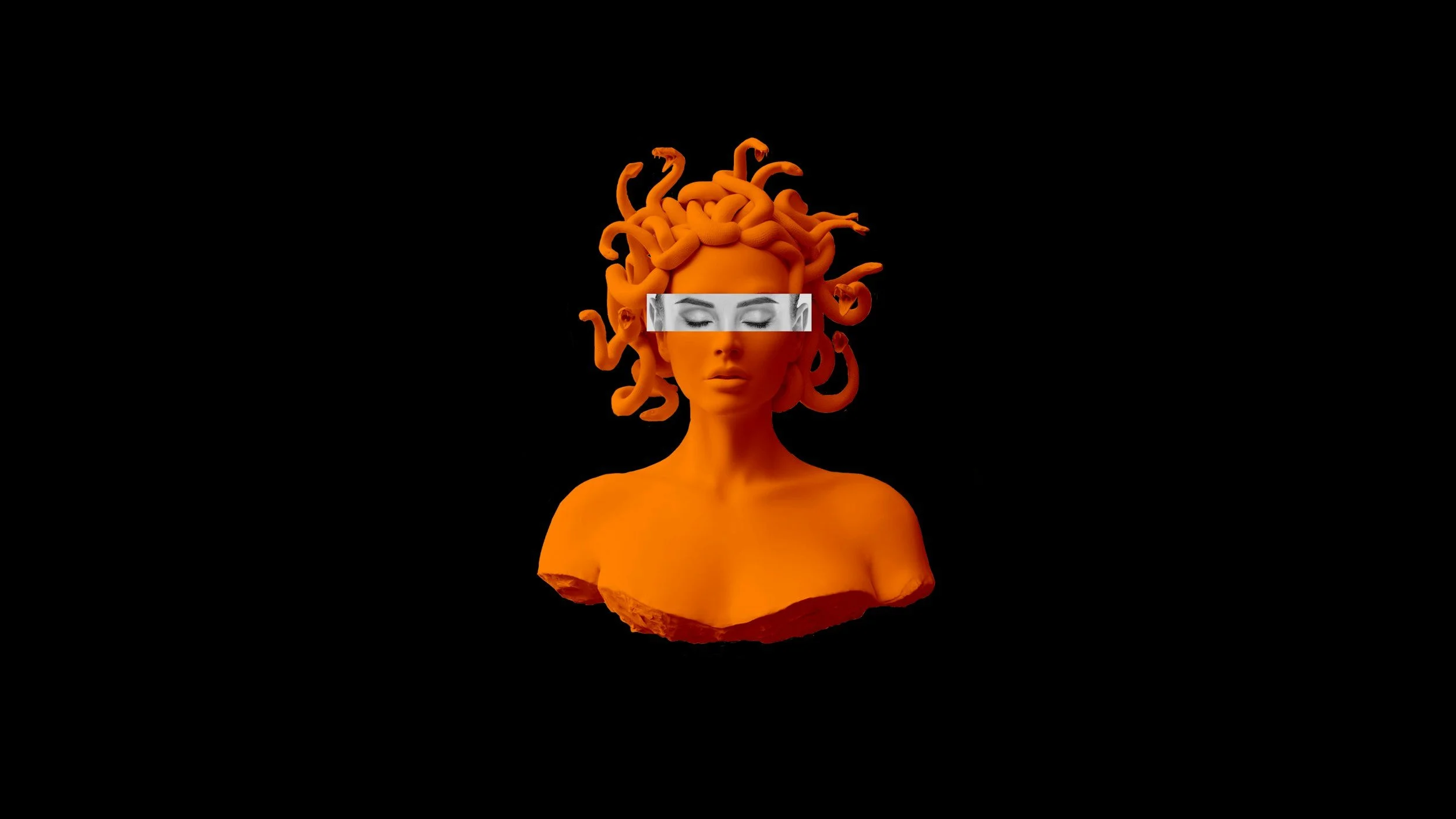
The instinct to collect all to determine order.
Part of being human is our incredible ability to create meaning: we have invented culture, knowledge, systems, economies, resources, language, symbols, artificial intelligence, art, science, money… we have invented everything. It is what makes us human: the ability to assign meaning to anything, no matter how small.
Our remarkable brains are exceptional at pattern-recognition, and from that particular gift we are able to sort Chaos into Order (pattern). We see the constellations and give them meaning; we understand the cycles of the natural world and create rituals in celebration. Navigating is another way of thinking about woman’s culturally-assigned role of The Gatherer archetype: we take in the Cosmic Everything (Chaos) and we organize its chaos so we can harness it, understand it, and use it.
That is the role of the Navigator: creating order from chaos, or symmetry from asymmetry. This is where our notions of culture come from, as well as our concepts of universal structure and matter.
-

ACCEPT >
The instinct to love (not to be confused with Attachment).
surfer | wave
Think about vulnerability as the key to authentic love. To bear witness to a being’s true nature.
-
< REJECT
The instinct of rebellion.
mycelium | death
Choice; or perhaps Free Will.
-

TEACH >
The instinct to prepare.
crone | you
-

< LEARN
The instinct to survive.
child | everything
-
CREATOR >
The instinct to create.
mother | storyteller (artist)
songbird//oyster (with pearl)//flower (with scent)//explosion//star formation//lightning (with fulgurite)
The act of creating anything that is wholly unique (which it will be, since you are entirely unique ). The creation could be anything: an expression, or a child, or a proof. A unique creation gives us primal context for understanding time. Any act of creation allowed to blossom out in the world with its continuing ability to create offers the creator immortality.
Think of the way a tree will grow, the trunk and its infinite potential for branching. Through creation, you are what is branching.
-
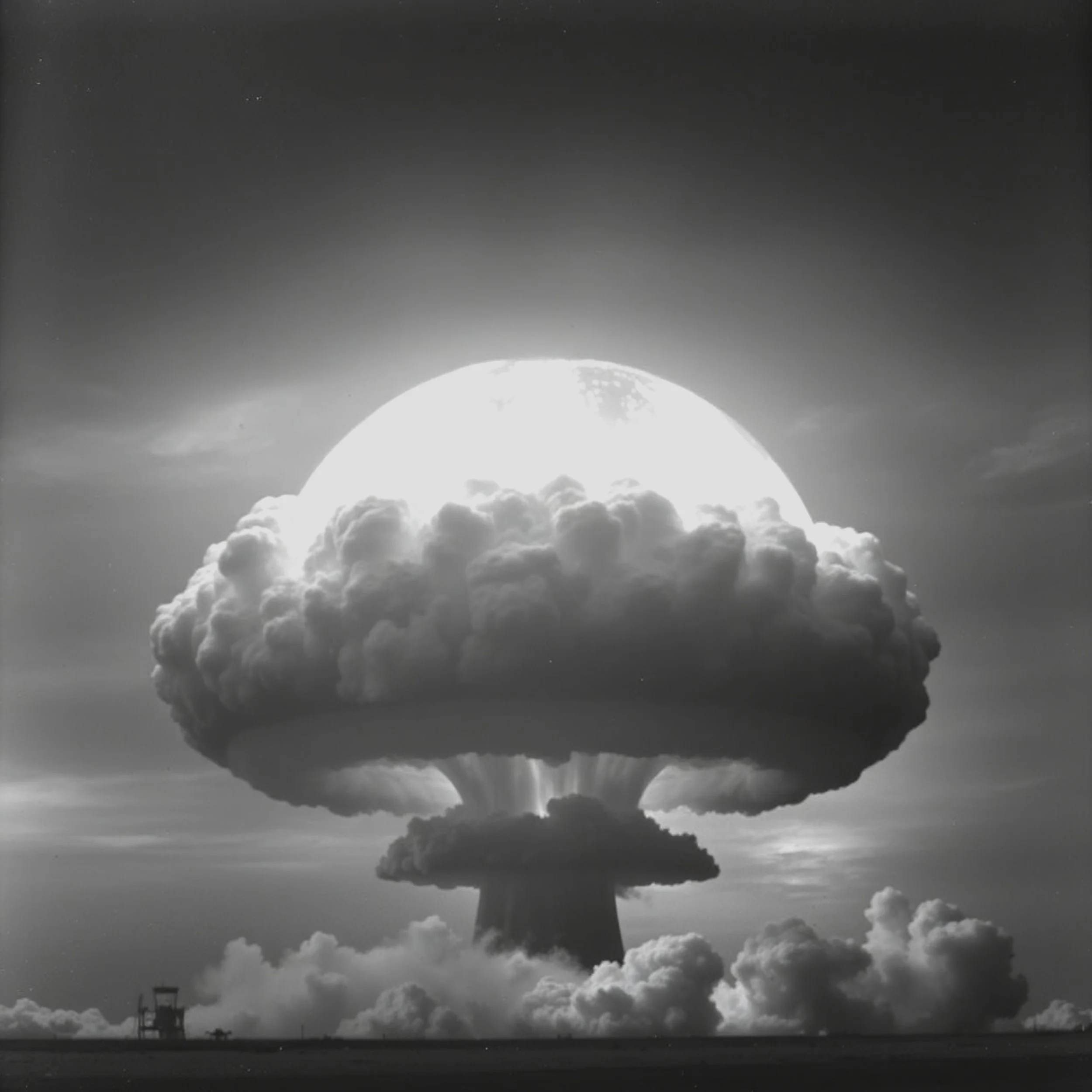
< DESTROYER
The instinct to destroy.
time | matter
“Time I am, the great destroyer of the worlds | I have come to engage all people.”
(Krishna, Bhagavad Gita 11.32; ~200BCE)
The most primal of all human instinct: to live, then to die. Creation and destruction are mutually inclusive, of course. They are the duet that Time uses to announce itself.
-
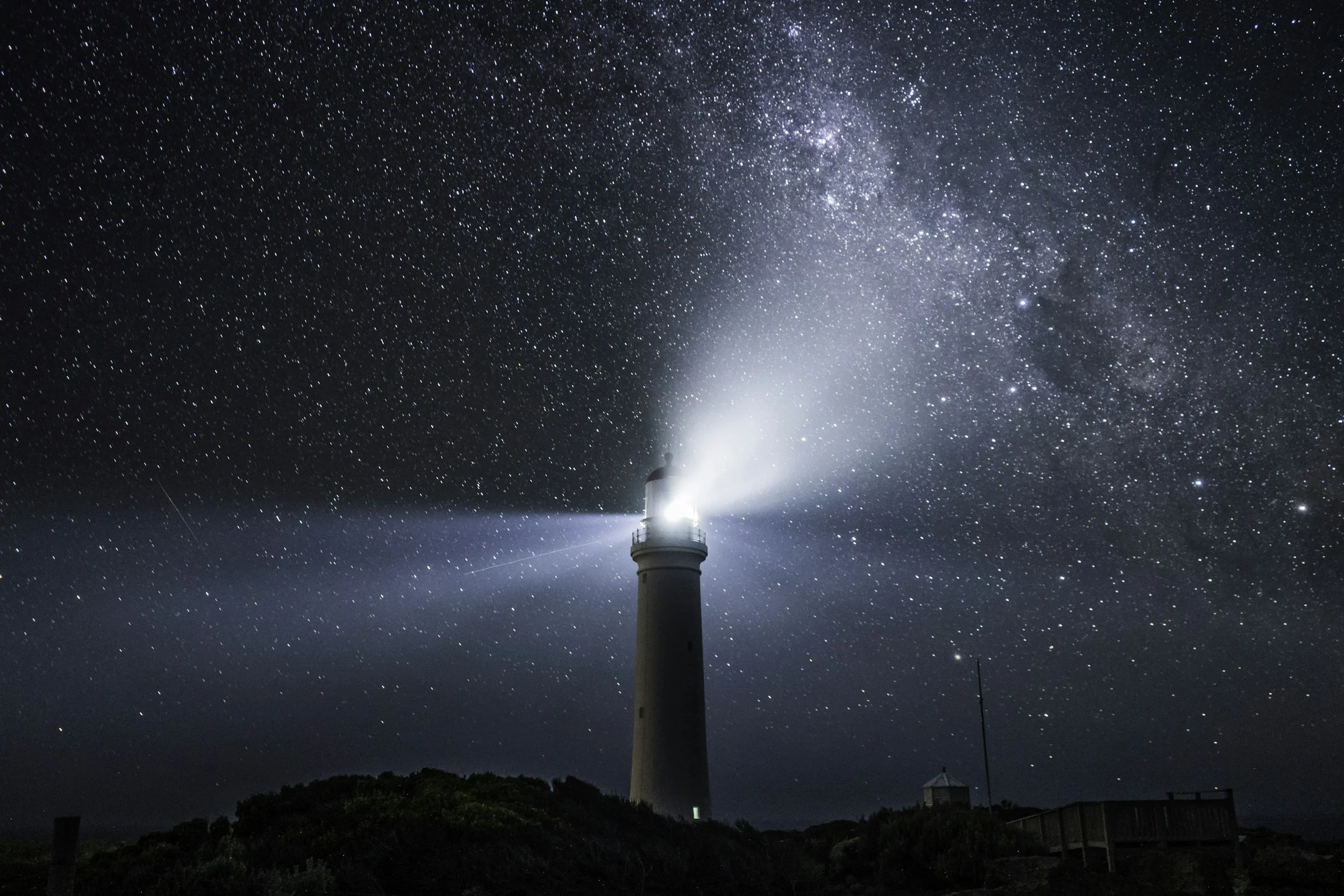
PERCEPTION >
The instinct of intuition, or self-trust.
canary | coal-mine
petrichor
adrenaline
“Be vigilant, and allow no one to mislead you | for it is within you | that the [Divine] dwells”
(Jesus Christ; Gospel of Mary Magdalene; ~200CE)
-

< PERSPECTIVE
The instinctual understanding.
widow
Perspective is the great contextualizer. It shows us an alternative method of seeing (the world; an individual problem; a behavior) by sharing its own experience That is, context gives us another way of looking at ourselves and/or the greater universe. It is also the cultural spearpoint that threatens the existing order by centering the individual experience (your life) at the heart of the divine instead of centering the systems that govern our individual experiences (civic bureaucracy; organized religion; higher education).
Think of yourself as a puzzle piece, and the contextualizer as the person or tool that allows you to see the greater puzzle itself and where you can fit your piece into it.